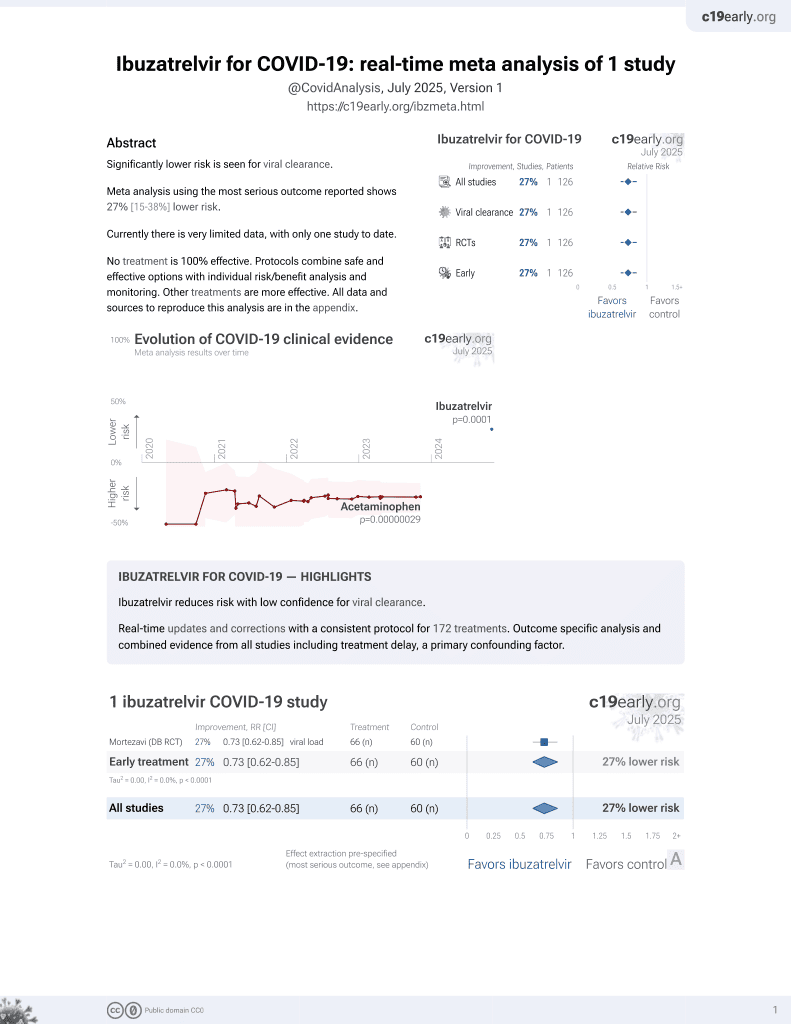
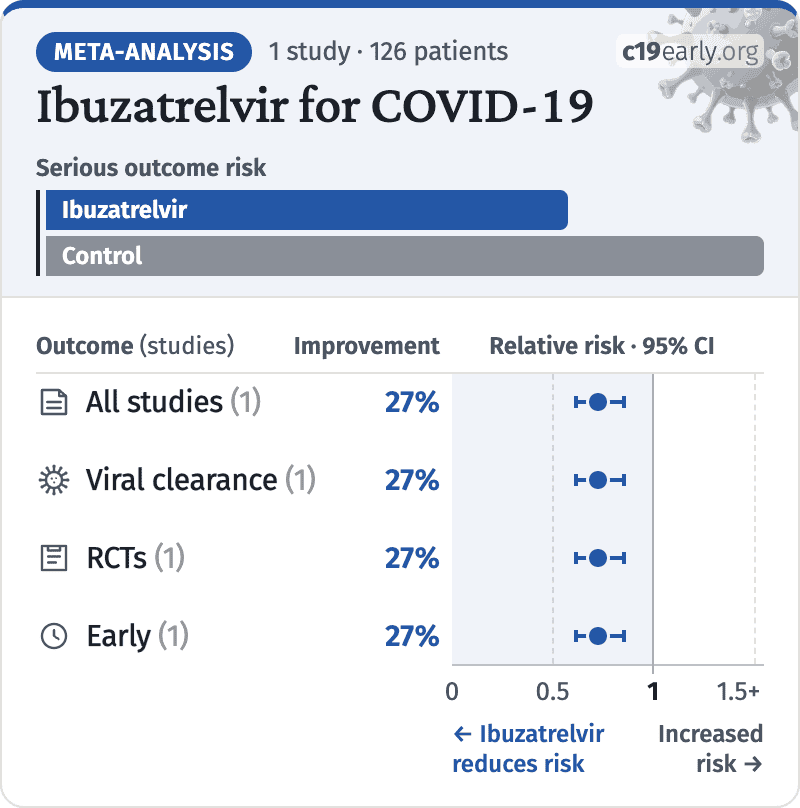
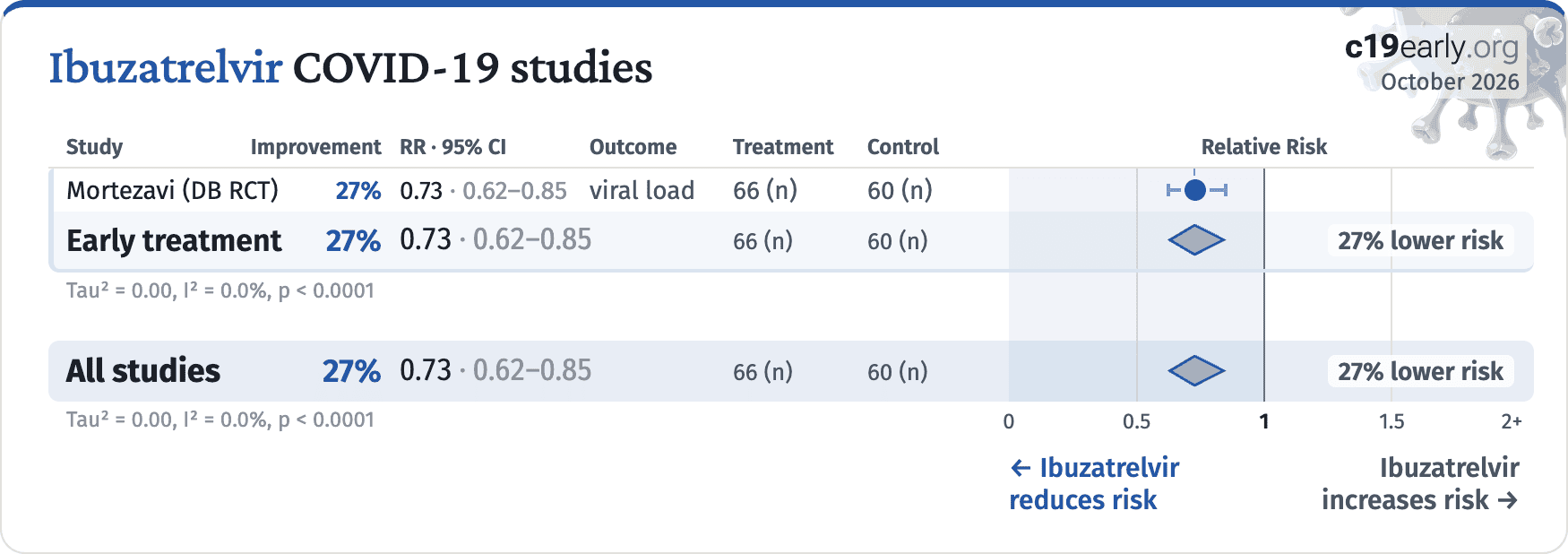
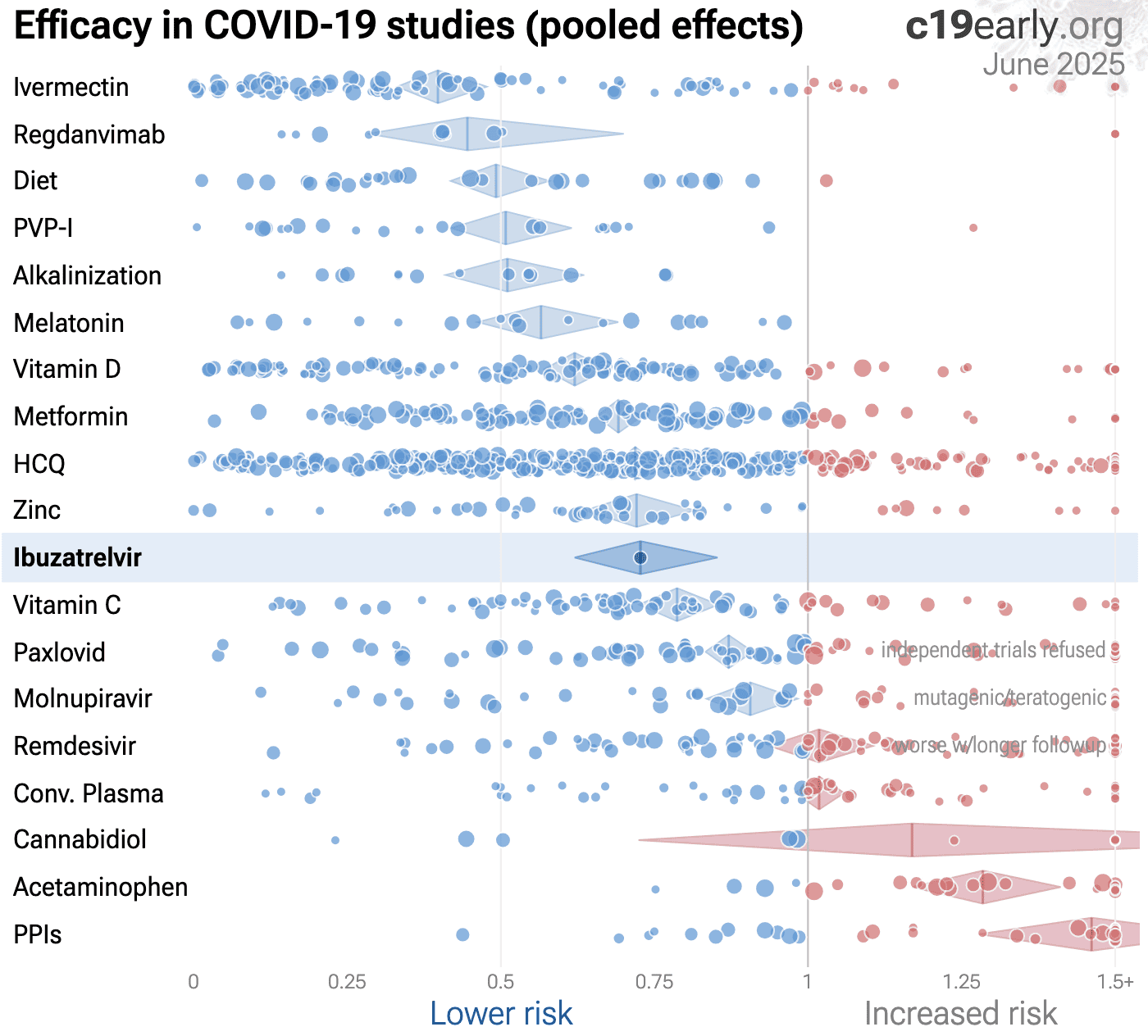
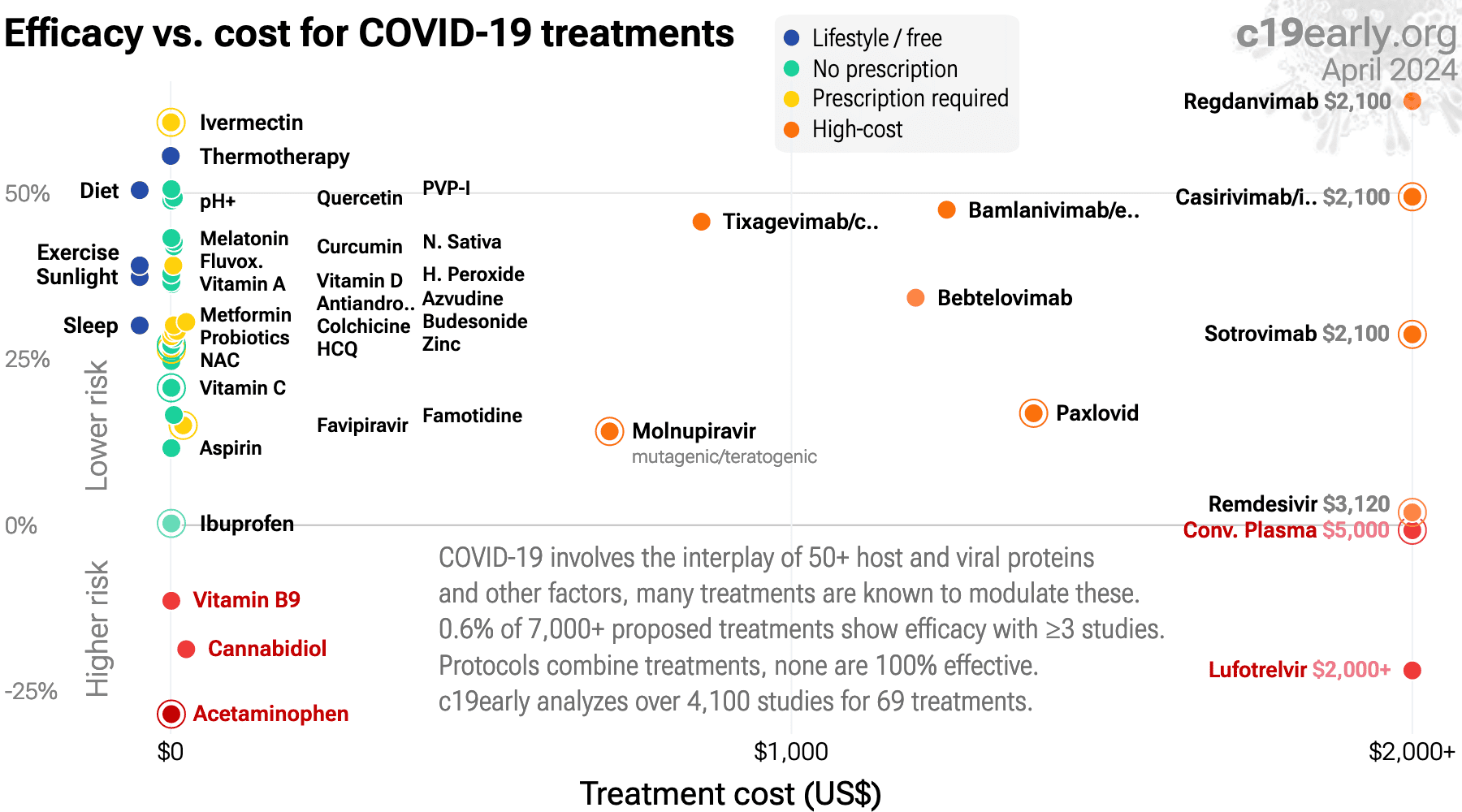
We currently cover 11 3CLpro inhibitors
40-50 with clinical data. Paxlovid, xiannuoxin, and atilotrelvir require ritonavir-boosting. Ritonavir inhibits key enzymes and transporters, which disrupts endogenous physiological pathways (with incompletely characterized consequences) and creates serious drug-drug interaction risks. Lufotrelvir is formulated for IV use. Olgotrelvir, ensitrelvir, ibuzatrelvir, leritrelvir, pomotrelvir, and ratutrelvir are newer-generation drugs that do not require ritonavir. Olgotrelvir may be the most technologically advanced with dual-mechanism inhibition and activity against paxlovid-resistant variants, while potentially minimizing the lipid disruption seen with ensitrelvir and leritrelvir. Ratutrelvir may have increased safety supporting longer treatment duration while minimizing side effects.
Publishing is often biased
towards positive results. Trials with patented drugs may have a financial conflict of interest that
results in positive studies being more likely to be published, or bias towards more positive results. For example with molnupiravir, trials with negative results remain unpublished to
date (CTRI/2021/05/033864 and CTRI/2021/08/0354242).
For ibuzatrelvir, there is currently not
enough data to evaluate publication bias with high confidence.
Summary statistics from
meta-analysis necessarily lose information. As with all meta-analyses, studies
are
heterogeneous, with differences
in treatment delay, treatment regimen, patient demographics, variants,
conflicts of interest, standard of care, and
other factors. We provide analyses for specific
outcomes and by treatment delay, and we aim to identify key characteristics in
the forest plots and summaries. Results should be viewed in the context of
study characteristics.
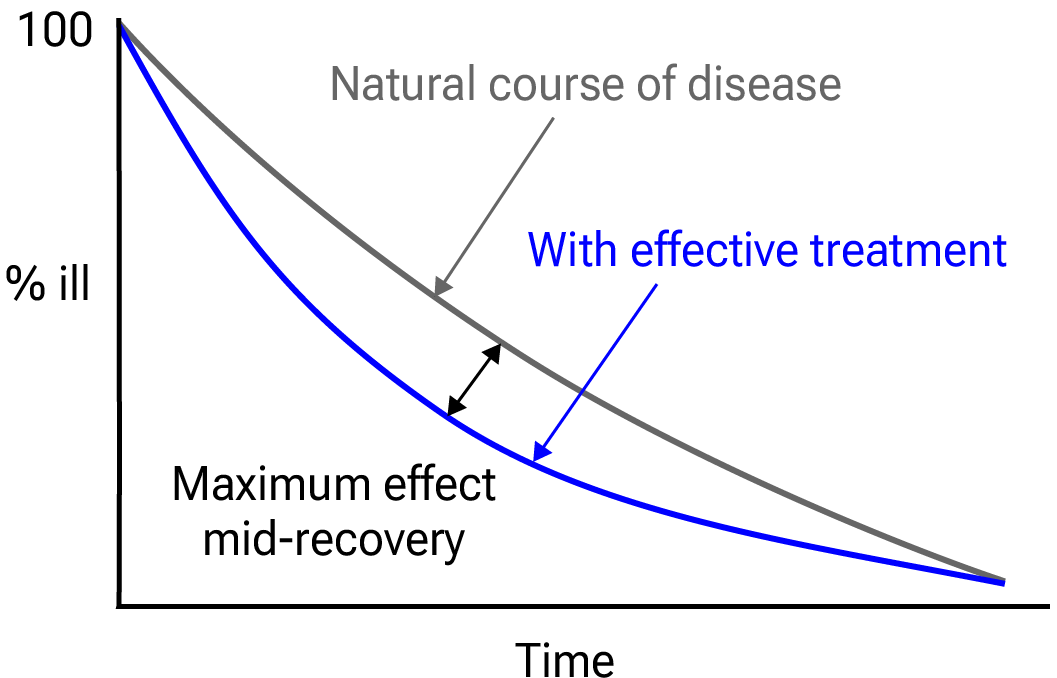
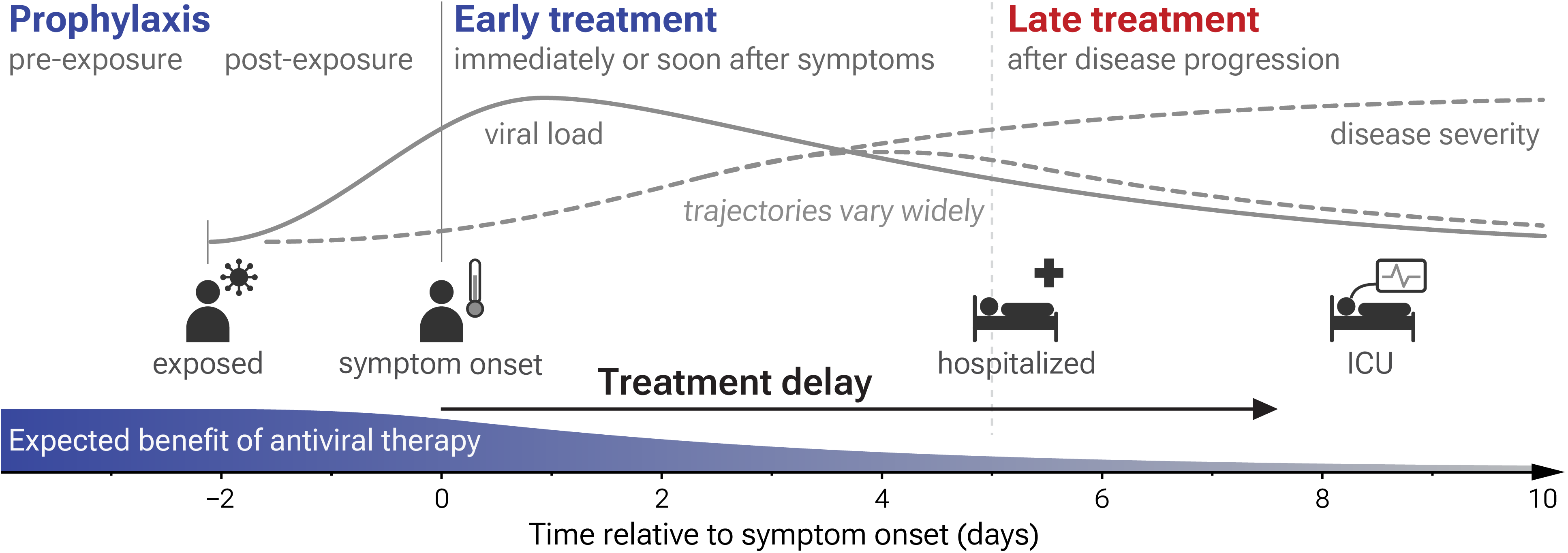
Some analyses classify treatment based on early or late
administration, as done here, while others distinguish between mild, moderate,
and severe cases. Viral load does not indicate degree of symptoms — for
example patients may have a high viral load while being asymptomatic. With
regard to treatments that have antiviral properties, timing of treatment is
critical — late administration may be less helpful regardless of
severity.
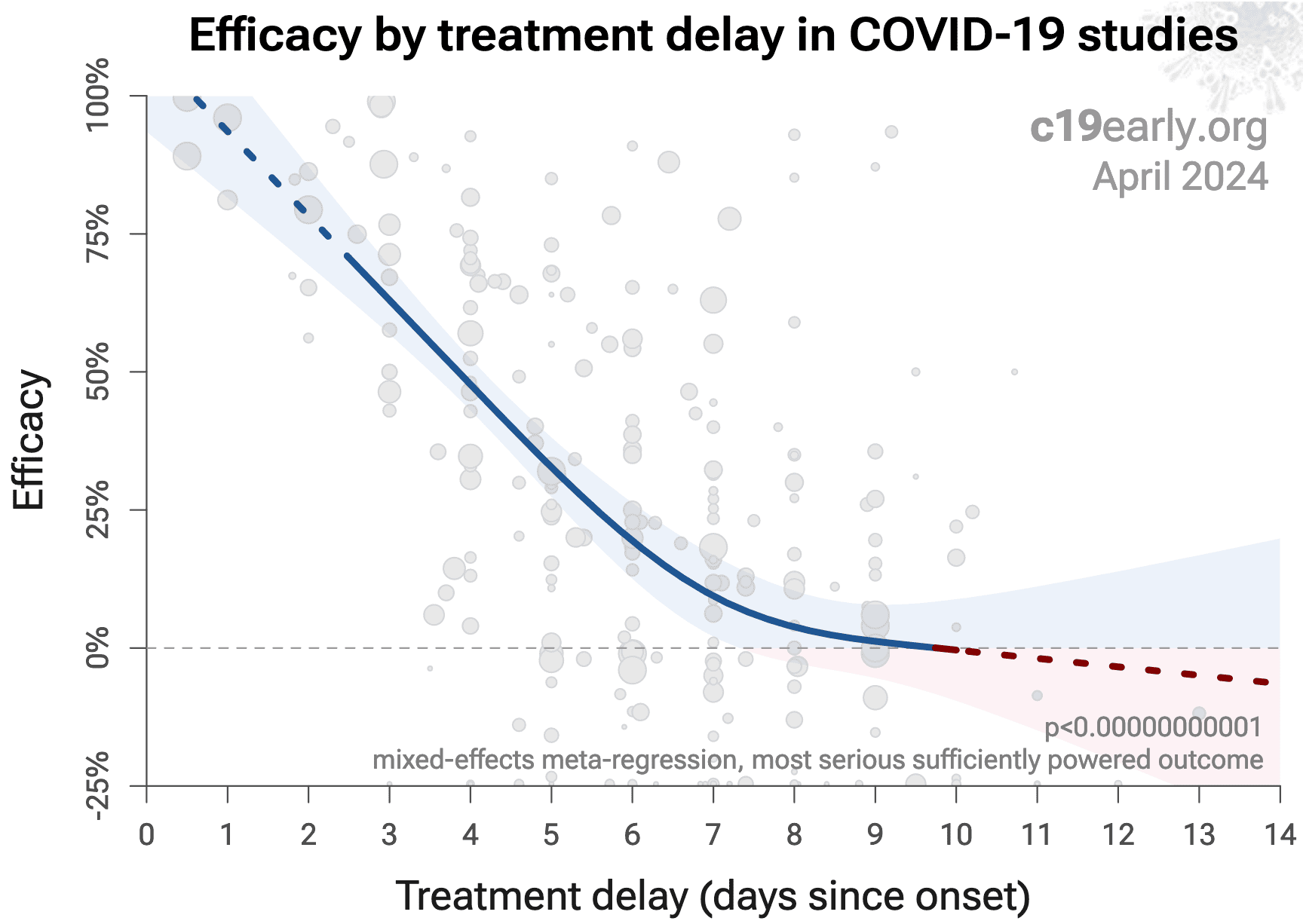
Details of treatment delay per patient is often not available.
For example, a study may treat 90% of patients relatively early, but the
events driving the outcome may come from 10% of patients treated very late.
Our 5 day cutoff for early treatment may be too conservative,
5 days may be too late in many cases.
Comparison across treatments is confounded by differences in
the studies performed, for example dose, variants, and conflicts of interest.
Trials with conflicts of interest may use designs better suited to the
preferred outcome.
In some cases, the most serious outcome has very few events,
resulting in lower confidence results being used in pooled analysis, however
the method is simpler and more transparent. This is less critical as the
number of studies increases. Restriction to outcomes with sufficient power may
be beneficial in pooled analysis and improve accuracy when there are few
studies, however we maintain our pre-specified method to avoid any
retrospective changes.
Studies show that combinations of treatments can be highly
synergistic and may result in many times greater efficacy than individual
treatments alone
74-98.
Therefore standard of care may be critical and benefits may diminish or
disappear if standard of care does not include certain treatments.
This real-time analysis is constantly updated based on
submissions. Accuracy benefits from widespread review and submission of
updates and corrections from reviewers. Less popular treatments may receive
fewer reviews.
No treatment or intervention is 100% available and
effective for all current and future variants. Efficacy may vary significantly
with different variants and within different populations. All treatments have
potential side effects. Propensity to experience side effects may be predicted
in advance by qualified physicians. We do not provide medical advice. Before
taking any medication, consult a qualified physician who can compare all
options, provide personalized advice, and provide details of risks and
benefits based on individual medical history and situations.