Combination of Remdesivir and Ivermectin Exerts Highly Potent and Synergistic Antiviral Activity Against Murine Coronavirus and SARS-CoV-2 Infections
et al., Cells, doi:10.3390/cells15131146, Jun 2026
Ivermectin for COVID-19
4th treatment shown to reduce risk in
August 2020, now with p < 0.0000000001 from 106 studies, recognized in 24 countries.
No treatment is 100% effective.
Protocols combine treatments.
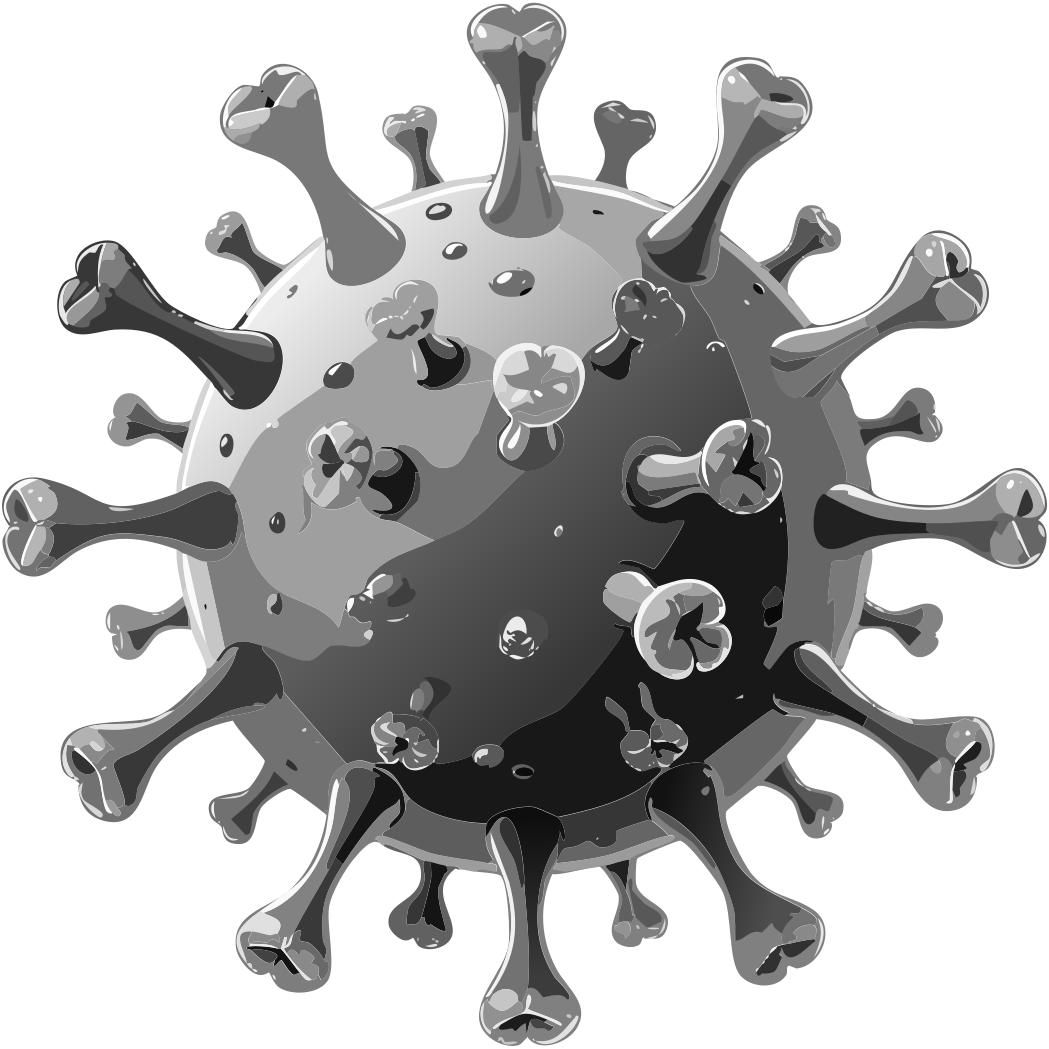
In vitro study showing synergistic antiviral activity of ivermectin and remdesivir against murine coronavirus (MHV) and SARS-CoV-2.
Studies show synergistic antiviral effects for ivermectin in combination with favipiravir7, niclosamide6, paxlovid1, and remdesivir2-5, which may allow increased efficacy and/or similar efficacy at lower doses, potentially reducing dose-dependent side effects.
78 preclinical studies support the efficacy of ivermectin for COVID-19:
Ivermectin, better known for antiparasitic activity, is a broad spectrum antiviral with activity against many viruses including H7N776, Dengue45,77,78 , HIV-178, Simian virus 4079, Zika45,80,81 , West Nile81, Yellow Fever82,83, Japanese encephalitis82, Chikungunya83, Semliki Forest virus83, Human papillomavirus61, Epstein-Barr61, BK Polyomavirus84, and Sindbis virus83.
Ivermectin inhibits importin-α/β-dependent nuclear import of viral proteins76,78,79,85 , shows spike-ACE2 disruption at 1nM with microfluidic diffusional sizing46, binds to glycan sites on the SARS-CoV-2 spike protein preventing interaction with blood and epithelial cells and inhibiting hemagglutination49,86, shows dose-dependent inhibition of wildtype and omicron variants44, exhibits dose-dependent inhibition of lung injury66,71, may inhibit SARS-CoV-2 via IMPase inhibition45, may inhibit SARS-CoV-2 induced formation of fibrin clots resistant to degradation17, inhibits SARS-CoV-2 3CLpro59, may inhibit SARS-CoV-2 RdRp activity8,36, may minimize viral myocarditis by inhibiting NF-κB/p65-mediated inflammation in macrophages65, may be beneficial for COVID-19 ARDS by blocking GSDMD and NET formation87, may interfere with SARS-CoV-2's immune evasion via ORF8 binding12, may inhibit SARS-CoV-2 by disrupting CD147 interaction88-91, may inhibit SARS-CoV-2 attachment to lipid rafts via spike NTD binding10, shows protection against inflammation, cytokine storm, and mortality in an LPS mouse model sharing key pathological features of severe COVID-1963,92, may be beneficial in severe COVID-19 by binding IGF1 to inhibit the promotion of inflammation, fibrosis, and cell proliferation that leads to lung damage16, significantly mitigates bleomycin-induced pulmonary fibrosis by reducing collagen accumulation and inflammatory cell infiltration64, improves oxidative stress markers while suppressing myofibroblast proliferation64, may minimize SARS-CoV-2 induced cardiac damage48,54, may counter immune evasion by inhibiting NSP15-TBK1/KPNA1 interaction and restoring IRF3 activation93, may disrupt SARS-CoV-2 N and ORF6 protein nuclear transport and their suppression of host interferon responses9, reduces TAZ/YAP nuclear import, relieving SARS-CoV-2-driven suppression of IRF3 and NF-κB antiviral pathways43, increases Bifidobacteria which play a key role in the immune system94, has immunomodulatory56 and anti-inflammatory75,95 properties, and has an extensive and very positive safety profile96.
Study covers ivermectin and remdesivir.

1.
How et al., The Combination of Nirmatrelvir and Ivermectin Exerts Strongly Synergistic Antiviral and Anti-Inflammatory Effects Against Murine Coronavirus Infection of Macrophages, International Journal of Molecular Sciences, doi:10.3390/ijms27167316.
2.
Lew et al., Combination of Remdesivir and Ivermectin Exerts Highly Potent and Synergistic Antiviral Activity Against Murine Coronavirus and SARS-CoV-2 Infections, Cells, doi:10.3390/cells15131146.
3.
De Forni et al., Synergistic drug combinations designed to fully suppress SARS-CoV-2 in the lung of COVID-19 patients, PLoS ONE, doi:10.1371/journal.pone.0276751.
4.
Tan et al., Combination Treatment With Remdesivir and Ivermectin Exerts Highly Synergistic and Potent Antiviral Activity Against Murine Coronavirus Infection, Frontiers in Cellular and Infection Microbiology, doi:10.3389/fcimb.2021.700502.
5.
Jeffreys et al., Remdesivir-ivermectin combination displays synergistic interaction with improved in vitro activity against SARS-CoV-2, International Journal of Antimicrobial Agents, doi:10.1016/j.ijantimicag.2022.106542.
6.
Jitobaom et al., Synergistic anti-SARS-CoV-2 activity of repurposed anti-parasitic drug combinations, BMC Pharmacology and Toxicology, doi:10.1186/s40360-022-00580-8.
7.
Jitobaom (B) et al., Favipiravir and Ivermectin Showed in Vitro Synergistic Antiviral Activity against SARS-CoV-2, Research Square, doi:10.21203/rs.3.rs-941811/v1.
8.
Li et al., Drug–Target Interaction Prediction via Dual-Interaction Fusion, Molecules, doi:10.3390/molecules31030498.
9.
Gayozo et al., Binding affinities analysis of ivermectin, nucleocapsid and ORF6 proteins of SARS-CoV-2 to human importins α isoforms: A computational approach, Biotecnia, doi:10.18633/biotecnia.v27.2485.
10.
Lefebvre et al., Characterization and Fluctuations of an Ivermectin Binding Site at the Lipid Raft Interface of the N-Terminal Domain (NTD) of the Spike Protein of SARS-CoV-2 Variants, Viruses, doi:10.3390/v16121836.
11.
Haque et al., Exploring potential therapeutic candidates against COVID-19: a molecular docking study, Discover Molecules, doi:10.1007/s44345-024-00005-5.
12.
Bagheri-Far et al., Non-spike protein inhibition of SARS-CoV-2 by natural products through the key mediator protein ORF8, Molecular Biology Research Communications, doi:10.22099/mbrc.2024.50245.2001.
13.
de Oliveira Só et al., In Silico Comparative Analysis of Ivermectin and Nirmatrelvir Inhibitors Interacting with the SARS-CoV-2 Main Protease, Preprints, doi:10.20944/preprints202404.1825.v1.
14.
Agamah et al., Network-based multi-omics-disease-drug associations reveal drug repurposing candidates for COVID-19 disease phases, ScienceOpen, doi:10.58647/DRUGARXIV.PR000010.v1.
15.
Oranu et al., Validation of the binding affinities and stabilities of ivermectin and moxidectin against SARS-CoV-2 receptors using molecular docking and molecular dynamics simulation, GSC Biological and Pharmaceutical Sciences, doi:10.30574/gscbps.2024.26.1.0030.
16.
Zhao et al., Identification of the shared gene signatures between pulmonary fibrosis and pulmonary hypertension using bioinformatics analysis, Frontiers in Immunology, doi:10.3389/fimmu.2023.1197752.
17.
Vottero et al., Computational Prediction of the Interaction of Ivermectin with Fibrinogen, Molecular Sciences, doi:10.3390/ijms241411449.
18.
Chellasamy et al., Docking and molecular dynamics studies of human ezrin protein with a modelled SARS-CoV-2 endodomain and their interaction with potential invasion inhibitors, Journal of King Saud University - Science, doi:10.1016/j.jksus.2022.102277.
19.
Umar et al., Inhibitory potentials of ivermectin, nafamostat, and camostat on spike protein and some nonstructural proteins of SARS-CoV-2: Virtual screening approach, Jurnal Teknologi Laboratorium, doi:10.29238/teknolabjournal.v11i1.344.
20.
Alvarado et al., Interaction of the New Inhibitor Paxlovid (PF-07321332) and Ivermectin With the Monomer of the Main Protease SARS-CoV-2: A Volumetric Study Based on Molecular Dynamics, Elastic Networks, Classical Thermodynamics and SPT, Computational Biology and Chemistry, doi:10.1016/j.compbiolchem.2022.107692.
21.
Aminpour et al., In Silico Analysis of the Multi-Targeted Mode of Action of Ivermectin and Related Compounds, Computation, doi:10.3390/computation10040051.
22.
Parvez et al., Insights from a computational analysis of the SARS-CoV-2 Omicron variant: Host–pathogen interaction, pathogenicity, and possible drug therapeutics, Immunity, Inflammation and Disease, doi:10.1002/iid3.639.
23.
Francés-Monerris et al., Microscopic interactions between ivermectin and key human and viral proteins involved in SARS-CoV-2 infection, Physical Chemistry Chemical Physics, doi:10.1039/D1CP02967C.
24.
González-Paz et al., Comparative study of the interaction of ivermectin with proteins of interest associated with SARS-CoV-2: A computational and biophysical approach, Biophysical Chemistry, doi:10.1016/j.bpc.2021.106677.
25.
González-Paz (B) et al., Structural Deformability Induced in Proteins of Potential Interest Associated with COVID-19 by binding of Homologues present in Ivermectin: Comparative Study Based in Elastic Networks Models, Journal of Molecular Liquids, doi:10.1016/j.molliq.2021.117284.
26.
Rana et al., Ivermectin and Doxycycline combination as a promising anti-viral drug candidate: an in-silico and DFT study, In Silico Pharmacology, doi:10.1007/s40203-026-00576-w.
27.
Muthusamy et al., Virtual Screening Reveals Potential Anti-Parasitic Drugs Inhibiting the Receptor Binding Domain of SARS-CoV-2 Spike protein, Journal of Virology & Antiviral Research, www.scitechnol.com/abstract/virtual-screening-reveals-potential-antiparasitic-drugs-inhibiting-the-receptor-binding-domain-of-sarscov2-spike-protein-16398.html.
28.
Qureshi et al., Mechanistic insights into the inhibitory activity of FDA approved ivermectin against SARS-CoV-2: old drug with new implications, Journal of Biomolecular Structure and Dynamics, doi:10.1080/07391102.2021.1906750.
29.
Schöning et al., Highly-transmissible Variants of SARS-CoV-2 May Be More Susceptible to Drug Therapy Than Wild Type Strains, Research Square, doi:10.21203/rs.3.rs-379291/v1.
30.
Bello et al., Elucidation of the inhibitory activity of ivermectin with host nuclear importin α and several SARS-CoV-2 targets, Journal of Biomolecular Structure and Dynamics, doi:10.1080/07391102.2021.1911857.
31.
Udofia et al., In silico studies of selected multi-drug targeting against 3CLpro and nsp12 RNA-dependent RNA-polymerase proteins of SARS-CoV-2 and SARS-CoV, Network Modeling Analysis in Health Informatics and Bioinformatics, doi:10.1007/s13721-021-00299-2.
32.
Choudhury et al., Exploring the binding efficacy of ivermectin against the key proteins of SARS-CoV-2 pathogenesis: an in silico approach, Future Medicine, doi:10.2217/fvl-2020-0342.
33.
Kern et al., Modeling of SARS-CoV-2 Treatment Effects for Informed Drug Repurposing, Frontiers in Pharmacology, doi:10.3389/fphar.2021.625678.
34.
Saha et al., The Binding mechanism of ivermectin and levosalbutamol with spike protein of SARS-CoV-2, Structural Chemistry, doi:10.1007/s11224-021-01776-0.
35.
Eweas et al., Molecular Docking Reveals Ivermectin and Remdesivir as Potential Repurposed Drugs Against SARS-CoV-2, Frontiers in Microbiology, doi:10.3389/fmicb.2020.592908.
36.
Parvez (B) et al., Prediction of potential inhibitors for RNA-dependent RNA polymerase of SARS-CoV-2 using comprehensive drug repurposing and molecular docking approach, International Journal of Biological Macromolecules, doi:10.1016/j.ijbiomac.2020.09.098.
37.
Francés-Monerris (B) et al., Has Ivermectin Virus-Directed Effects against SARS-CoV-2? Rationalizing the Action of a Potential Multitarget Antiviral Agent, ChemRxiv, doi:10.26434/chemrxiv.12782258.v1.
38.
Kalhor et al., Repurposing of the approved small molecule drugs in order to inhibit SARS-CoV-2 S protein and human ACE2 interaction through virtual screening approaches, Journal of Biomolecular Structure and Dynamics, doi:10.1080/07391102.2020.1824816.
39.
Swargiary, A., Ivermectin as a promising RNA-dependent RNA polymerase inhibitor and a therapeutic drug against SARS-CoV2: Evidence from in silico studies, Research Square, doi:10.21203/rs.3.rs-73308/v1.
40.
Maurya, D., A Combination of Ivermectin and Doxycycline Possibly Blocks the Viral Entry and Modulate the Innate Immune Response in COVID-19 Patients, American Chemical Society (ACS), doi:10.26434/chemrxiv.12630539.v1.
41.
Lehrer et al., Ivermectin Docks to the SARS-CoV-2 Spike Receptor-binding Domain Attached to ACE2, In Vivo, 34:5, 3023-3026, doi:10.21873/invivo.12134.
42.
Suravajhala et al., Comparative Docking Studies on Curcumin with COVID-19 Proteins, Preprints, doi:10.20944/preprints202005.0439.v3.
43.
Kofler et al., M-Motif, a potential non-conventional NLS in YAP/TAZ and other cellular and viral proteins that inhibits classic protein import, iScience, doi:10.1016/j.isci.2025.112105.
44.
Shahin et al., The selective effect of Ivermectin on different human coronaviruses; in-vitro study, Research Square, doi:10.21203/rs.3.rs-4180797/v1.
45.
Jitobaom (C) et al., Identification of inositol monophosphatase as a broad‐spectrum antiviral target of ivermectin, Journal of Medical Virology, doi:10.1002/jmv.29552.
46.
Fauquet et al., Microfluidic Diffusion Sizing Applied to the Study of Natural Products and Extracts That Modulate the SARS-CoV-2 Spike RBD/ACE2 Interaction, Molecules, doi:10.3390/molecules28248072.
47.
García-Aguilar et al., In Vitro Analysis of SARS-CoV-2 Spike Protein and Ivermectin Interaction, International Journal of Molecular Sciences, doi:10.3390/ijms242216392.
48.
Liu et al., SARS-CoV-2 viral genes Nsp6, Nsp8, and M compromise cellular ATP levels to impair survival and function of human pluripotent stem cell-derived cardiomyocytes, Stem Cell Research & Therapy, doi:10.1186/s13287-023-03485-3.
49.
Boschi et al., SARS-CoV-2 Spike Protein Induces Hemagglutination: Implications for COVID-19 Morbidities and Therapeutics and for Vaccine Adverse Effects, bioRxiv, doi:10.1101/2022.11.24.517882.
50.
Saha (B) et al., Manipulation of Spray-Drying Conditions to Develop an Inhalable Ivermectin Dry Powder, Pharmaceutics, doi:10.3390/pharmaceutics14071432.
51.
Croci et al., Liposomal Systems as Nanocarriers for the Antiviral Agent Ivermectin, International Journal of Biomaterials, doi:10.1155/2016/8043983.
52.
Zheng et al., Red blood cell-hitchhiking mediated pulmonary delivery of ivermectin: Effects of nanoparticle properties, International Journal of Pharmaceutics, doi:10.1016/j.ijpharm.2022.121719.
53.
Delandre et al., Antiviral Activity of Repurposing Ivermectin against a Panel of 30 Clinical SARS-CoV-2 Strains Belonging to 14 Variants, Pharmaceuticals, doi:10.3390/ph15040445.
54.
Liu (B) et al., Genome-wide analyses reveal the detrimental impacts of SARS-CoV-2 viral gene Orf9c on human pluripotent stem cell-derived cardiomyocytes, Stem Cell Reports, doi:10.1016/j.stemcr.2022.01.014.
55.
Segatori et al., Effect of Ivermectin and Atorvastatin on Nuclear Localization of Importin Alpha and Drug Target Expression Profiling in Host Cells from Nasopharyngeal Swabs of SARS-CoV-2- Positive Patients, Viruses, doi:10.3390/v13102084.
56.
Munson et al., Niclosamide and ivermectin modulate caspase-1 activity and proinflammatory cytokine secretion in a monocytic cell line, British Society For Nanomedicine Early Career Researcher Summer Meeting, 2021, web.archive.org/web/20230401070026/https://michealmunson.github.io/COVID.pdf.
57.
Mountain Valley MD, Mountain Valley MD Receives Successful Results From BSL-4 COVID-19 Clearance Trial on Three Variants Tested With Ivectosol™, 5/18, www.globenewswire.com/en/news-release/2021/05/18/2231755/0/en/Mountain-Valley-MD-Receives-Successful-Results-From-BSL-4-COVID-19-Clearance-Trial-on-Three-Variants-Tested-With-Ivectosol.html.
58.
Yesilbag et al., Ivermectin also inhibits the replication of bovine respiratory viruses (BRSV, BPIV-3, BoHV-1, BCoV and BVDV) in vitro, Virus Research, doi:10.1016/j.virusres.2021.198384.
59.
Mody et al., Identification of 3-chymotrypsin like protease (3CLPro) inhibitors as potential anti-SARS-CoV-2 agents, Communications Biology, doi:10.1038/s42003-020-01577-x.
60.
Surnar et al., Clinically Approved Antiviral Drug in an Orally Administrable Nanoparticle for COVID-19, ACS Pharmacol. Transl. Sci., doi:10.1021/acsptsci.0c00179.
61.
Li (B) et al., Quantitative proteomics reveals a broad-spectrum antiviral property of ivermectin, benefiting for COVID-19 treatment, J. Cellular Physiology, doi:10.1002/jcp.30055.
62.
Caly et al., The FDA-approved drug ivermectin inhibits the replication of SARS-CoV-2 in vitro, Antiviral Research, doi:10.1016/j.antiviral.2020.104787.
63.
Zhang et al., Ivermectin inhibits LPS-induced production of inflammatory cytokines and improves LPS-induced survival in mice, Inflammation Research, doi:10.1007/s00011-008-8007-8.
64.
Zaher et al., Testing the Possible Protective Effect of Ivermectin on Bleomycin-Induced Pulmonary Fibrosis in Albino Rats: Histological and Immunohistochemical Study, Medicina, doi:10.3390/medicina62030560.
65.
Gao et al., Ivermectin ameliorates acute myocarditis via the inhibition of importin-mediated nuclear translocation of NF-κB/p65, International Immunopharmacology, doi:10.1016/j.intimp.2024.112073.
66.
Abd-Elmawla et al., Suppression of NLRP3 inflammasome by ivermectin ameliorates bleomycin-induced pulmonary fibrosis, Journal of Zhejiang University-SCIENCE B, doi:10.1631/jzus.B2200385.
67.
Uematsu et al., Prophylactic administration of ivermectin attenuates SARS-CoV-2 induced disease in a Syrian Hamster Model, The Journal of Antibiotics, doi:10.1038/s41429-023-00623-0.
68.
Albariqi et al., Pharmacokinetics and Safety of Inhaled Ivermectin in Mice as a Potential COVID-19 Treatment, International Journal of Pharmaceutics, doi:10.1016/j.ijpharm.2022.121688.
69.
Errecalde et al., Safety and Pharmacokinetic Assessments of a Novel Ivermectin Nasal Spray Formulation in a Pig Model, Journal of Pharmaceutical Sciences, doi:10.1016/j.xphs.2021.01.017.
70.
Madrid et al., Safety of oral administration of high doses of ivermectin by means of biocompatible polyelectrolytes formulation, Heliyon, doi:10.1016/j.heliyon.2020.e05820.
71.
Ma et al., Ivermectin contributes to attenuating the severity of acute lung injury in mice, Biomedicine & Pharmacotherapy, doi:10.1016/j.biopha.2022.113706.
72.
de Melo et al., Attenuation of clinical and immunological outcomes during SARS-CoV-2 infection by ivermectin, EMBO Mol. Med., doi:10.15252/emmm.202114122.
73.
Arévalo et al., Ivermectin reduces in vivo coronavirus infection in a mouse experimental model, Scientific Reports, doi:10.1038/s41598-021-86679-0.
74.
Chaccour et al., Nebulized ivermectin for COVID-19 and other respiratory diseases, a proof of concept, dose-ranging study in rats, Scientific Reports, doi:10.1038/s41598-020-74084-y.
75.
Yan et al., Anti-inflammatory effects of ivermectin in mouse model of allergic asthma, Inflammation Research, doi:10.1007/s00011-011-0307-8.
76.
Götz et al., Influenza A viruses escape from MxA restriction at the expense of efficient nuclear vRNP import, Scientific Reports, doi:10.1038/srep23138.
77.
Tay et al., Nuclear localization of dengue virus (DENV) 1–4 non-structural protein 5; protection against all 4 DENV serotypes by the inhibitor Ivermectin, Antiviral Research, doi:10.1016/j.antiviral.2013.06.002.
78.
Wagstaff et al., Ivermectin is a specific inhibitor of importin α/β-mediated nuclear import able to inhibit replication of HIV-1 and dengue virus, Biochemical Journal, doi:10.1042/BJ20120150.
79.
Wagstaff (B) et al., An AlphaScreen®-Based Assay for High-Throughput Screening for Specific Inhibitors of Nuclear Import, SLAS Discovery, doi:10.1177/1087057110390360.
80.
Barrows et al., A Screen of FDA-Approved Drugs for Inhibitors of Zika Virus Infection, Cell Host & Microbe, doi:10.1016/j.chom.2016.07.004.
81.
Yang et al., The broad spectrum antiviral ivermectin targets the host nuclear transport importin α/β1 heterodimer, Antiviral Research, doi:10.1016/j.antiviral.2020.104760.
82.
Mastrangelo et al., Ivermectin is a potent inhibitor of flavivirus replication specifically targeting NS3 helicase activity: new prospects for an old drug, Journal of Antimicrobial Chemotherapy, doi:10.1093/jac/dks147.
83.
Varghese et al., Discovery of berberine, abamectin and ivermectin as antivirals against chikungunya and other alphaviruses, Antiviral Research, doi:10.1016/j.antiviral.2015.12.012.
84.
Bennett et al., Role of a nuclear localization signal on the minor capsid Proteins VP2 and VP3 in BKPyV nuclear entry, Virology, doi:10.1016/j.virol.2014.10.013.
85.
Kosyna et al., The importin α/β-specific inhibitor Ivermectin affects HIF-dependent hypoxia response pathways, Biological Chemistry, doi:10.1515/hsz-2015-0171.
86.
Scheim et al., Sialylated Glycan Bindings from SARS-CoV-2 Spike Protein to Blood and Endothelial Cells Govern the Severe Morbidities of COVID-19, International Journal of Molecular Sciences, doi:10.3390/ijms242317039.
87.
Liu (C) et al., Crosstalk between neutrophil extracellular traps and immune regulation: insights into pathobiology and therapeutic implications of transfusion-related acute lung injury, Frontiers in Immunology, doi:10.3389/fimmu.2023.1324021.
88.
Shouman et al., SARS-CoV-2-associated lymphopenia: possible mechanisms and the role of CD147, Cell Communication and Signaling, doi:10.1186/s12964-024-01718-3.
89.
Scheim (B), D., Ivermectin for COVID-19 Treatment: Clinical Response at Quasi-Threshold Doses Via Hypothesized Alleviation of CD147-Mediated Vascular Occlusion, SSRN, doi:10.2139/ssrn.3636557.
90.
Scheim (C), D., From Cold to Killer: How SARS-CoV-2 Evolved without Hemagglutinin Esterase to Agglutinate and Then Clot Blood Cells, Center for Open Science, doi:10.31219/osf.io/sgdj2.
91.
Behl et al., CD147-spike protein interaction in COVID-19: Get the ball rolling with a novel receptor and therapeutic target, Science of The Total Environment, doi:10.1016/j.scitotenv.2021.152072.
92.
DiNicolantonio et al., Ivermectin may be a clinically useful anti-inflammatory agent for late-stage COVID-19, Open Heart, doi:10.1136/openhrt-2020-001350.
93.
Mothae et al., SARS-CoV-2 host-pathogen interactome: insights into more players during pathogenesis, Virology, doi:10.1016/j.virol.2025.110607.
94.
Hazan et al., Treatment with Ivermectin Increases the Population of Bifidobacterium in the Gut, ACG 2023, acg2023posters.eventscribe.net/posterspeakers.asp.
Lew et al., 24 Jun 2026, USA, peer-reviewed, 10 authors.
Contact: kaistan@nus.edu.sg (corresponding author), zzlew@u.nus.edu, douglastay@nus.edu.sg, miccjh@nus.edu.sg, entwdy@nus.edu.sg, jocelyn_ong_wen_xin@immunol.a-star.edu.sg, low_jing_hui@immunol.a-star.edu.sg, anand_andiappan@immunol.a-star.edu.sg, entliuj@nus.edu.sg, micctk@nus.edu.sg.
In vitro studies are an important part of preclinical research, however results may be very different in vivo.
Abstract:
Article
Combination of Remdesivir and Ivermectin Exerts Highly Potent and Synergistic Antiviral Activity Against Murine Coronavirus and SARS-CoV-2 Infections
Ryan Z. Z. Lew 1,2,3 , Douglas J. W. Tay 1,2,3 , Jocelyn W. X. Ong 4 , Jing Hui Low 4 , Jing Liu 5 , De Yun Wang 3,5 , Justin J. H. Chu 1,2,3 , Anand Kumar Andiappan 4 , Kai Sen Tan 1,2,3, * and Vincent T. K. Chow 1,3, *
- 1 Department of Microbiology and Immunology, Yong Loo Lin School of Medicine, National University of Singapore, Kent Ridge, Singapore 117545, Singapore; zzlew@u.nus.edu (R.Z.Z.L.); douglastay@nus.edu.sg (D.J.W.T.); miccjh@nus.edu.sg (J.J.H.C.)
- 2 NUS Medicine Biosafety Level 3 Core Facility, Yong Loo Lin School of Medicine, National University of Singapore, Kent Ridge, Singapore 117599, Singapore
- 3 Infectious Diseases Translational Research Program, Yong Loo Lin School of Medicine, National University of Singapore, Kent Ridge, Singapore 117597, Singapore; entwdy@nus.edu.sg
- 4 Singapore Immunology Network, Agency for Science, Technology and Research, Biopolis, Singapore 138648, Singapore; jocelyn\_ong\_wen\_xin@immunol.a-star.edu.sg (J.W.X.O.); low\_jing\_hui@immunol.a-star.edu.sg (J.H.L.); anand\_andiappan@immunol.a-star.edu.sg (A.K.A.)
- 5 Department of Otolaryngology, Yong Loo Lin School of Medicine, National University of Singapore, Kent Ridge, Singapore 119228, Singapore; entliuj@nus.edu.sg
* Correspondence: kaistan@nus.edu.sg (K.S.T.); micctk@nus.edu.sg (V.T.K.C.)
Abstract
The COVID-19 pandemic highlighted the urgent need to develop effective and broadspectrum antiviral therapies against coronaviruses. One strategy to address this concern is a combination therapy using repurposed drugs against zoonotic viruses with pandemic potential. We previously demonstrated that the combination of Remdesivir and Ivermectin is highly potent and synergistic in inhibiting the replication of murine hepatitis virus (MHV) in RAW264.7 macrophages. This study investigated the interactions between the drug combination, coronavirus and host by proteomics and RNA sequencing of MHV-infected H2.35 murine liver epithelial cells. Time-of-addition and time-of-removal assays suggested that the drug combination likely affected the synthesis of viral RNA and viral protein. This combination drastically diminished the live virus titer greater than the respective monotherapies in MHV-infected H2.35 cells (by ~4 log10), as well as in SARS-CoV-2-infected VeroE6 cells and human nasal epithelial cells. Proteomic and transcriptomic analyses revealed that viral protein and RNA levels were significantly depressed upon combination treatment. The drug combination exhibited considerable negative effects upon host RNA processes and resulted in the upregulation of host protein processes (e.g., response to unfolded protein; protein insertion into ER membrane). Molecular pathways affected by the combination treatment were markedly distinct from the monotherapies and indicated that Ivermectin enhances Remdesivir by modulating critical host processes to synergistically exert its inhibitory effect on the coronavirus replication cycle.
Keywords: Remdesivir; Ivermectin; combination therapy; repurposed drugs; murine hepatitis virus; SARS-CoV-2; proteomics; transcriptomics; host pathways
Academic Editor: Shih-Heng (David) Chen
Received: 4 May 2026
Revised: 10 June 2026
Accepted: 21 June 2026
Published: 24 June 2026
Copyright:
©2026 by the authors.
Licensee MDPI, Basel, Switzerland.
This..
DOI record:
{
"DOI": "10.3390/cells15131146",
"ISSN": [
"2073-4409"
],
"URL": "http://dx.doi.org/10.3390/cells15131146",
"abstract": "<jats:p>The COVID-19 pandemic highlighted the urgent need to develop effective and broad-spectrum antiviral therapies against coronaviruses. One strategy to address this concern is a combination therapy using repurposed drugs against zoonotic viruses with pandemic potential. We previously demonstrated that the combination of Remdesivir and Ivermectin is highly potent and synergistic in inhibiting the replication of murine hepatitis virus (MHV) in RAW264.7 macrophages. This study investigated the interactions between the drug combination, coronavirus and host by proteomics and RNA sequencing of MHV-infected H2.35 murine liver epithelial cells. Time-of-addition and time-of-removal assays suggested that the drug combination likely affected the synthesis of viral RNA and viral protein. This combination drastically diminished the live virus titer greater than the respective monotherapies in MHV-infected H2.35 cells (by ~4 log10), as well as in SARS-CoV-2-infected VeroE6 cells and human nasal epithelial cells. Proteomic and transcriptomic analyses revealed that viral protein and RNA levels were significantly depressed upon combination treatment. The drug combination exhibited considerable negative effects upon host RNA processes and resulted in the upregulation of host protein processes (e.g., response to unfolded protein; protein insertion into ER membrane). Molecular pathways affected by the combination treatment were markedly distinct from the monotherapies and indicated that Ivermectin enhances Remdesivir by modulating critical host processes to synergistically exert its inhibitory effect on the coronavirus replication cycle.</jats:p>",
"alternative-id": [
"cells15131146"
],
"author": [
{
"ORCID": "https://orcid.org/0000-0002-7027-730X",
"affiliation": [
{
"name": "Department of Microbiology and Immunology, Yong Loo Lin School of Medicine, National University of Singapore, Kent Ridge, Singapore 117545, Singapore"
},
{
"name": "NUS Medicine Biosafety Level 3 Core Facility, Yong Loo Lin School of Medicine, National University of Singapore, Kent Ridge, Singapore 117599, Singapore"
},
{
"name": "Infectious Diseases Translational Research Program, Yong Loo Lin School of Medicine, National University of Singapore, Kent Ridge, Singapore 117597, Singapore"
}
],
"authenticated-orcid": false,
"family": "Lew",
"given": "Ryan Z. Z.",
"role": [
{
"role": "author",
"vocabulary": "crossref"
}
],
"sequence": "first"
},
{
"affiliation": [
{
"name": "Department of Microbiology and Immunology, Yong Loo Lin School of Medicine, National University of Singapore, Kent Ridge, Singapore 117545, Singapore"
},
{
"name": "NUS Medicine Biosafety Level 3 Core Facility, Yong Loo Lin School of Medicine, National University of Singapore, Kent Ridge, Singapore 117599, Singapore"
},
{
"name": "Infectious Diseases Translational Research Program, Yong Loo Lin School of Medicine, National University of Singapore, Kent Ridge, Singapore 117597, Singapore"
}
],
"family": "Tay",
"given": "Douglas J. W.",
"role": [
{
"role": "author",
"vocabulary": "crossref"
}
],
"sequence": "additional"
},
{
"affiliation": [
{
"name": "Singapore Immunology Network, Agency for Science, Technology and Research, Biopolis, Singapore 138648, Singapore"
}
],
"family": "Ong",
"given": "Jocelyn W. X.",
"role": [
{
"role": "author",
"vocabulary": "crossref"
}
],
"sequence": "additional"
},
{
"affiliation": [
{
"name": "Singapore Immunology Network, Agency for Science, Technology and Research, Biopolis, Singapore 138648, Singapore"
}
],
"family": "Low",
"given": "Jing Hui",
"role": [
{
"role": "author",
"vocabulary": "crossref"
}
],
"sequence": "additional"
},
{
"affiliation": [
{
"name": "Department of Otolaryngology, Yong Loo Lin School of Medicine, National University of Singapore, Kent Ridge, Singapore 119228, Singapore"
}
],
"family": "Liu",
"given": "Jing",
"role": [
{
"role": "author",
"vocabulary": "crossref"
}
],
"sequence": "additional"
},
{
"ORCID": "https://orcid.org/0000-0002-0909-2963",
"affiliation": [
{
"name": "Infectious Diseases Translational Research Program, Yong Loo Lin School of Medicine, National University of Singapore, Kent Ridge, Singapore 117597, Singapore"
},
{
"name": "Department of Otolaryngology, Yong Loo Lin School of Medicine, National University of Singapore, Kent Ridge, Singapore 119228, Singapore"
}
],
"authenticated-orcid": false,
"family": "Wang",
"given": "De Yun",
"role": [
{
"role": "author",
"vocabulary": "crossref"
}
],
"sequence": "additional"
},
{
"ORCID": "https://orcid.org/0000-0002-1673-6819",
"affiliation": [
{
"name": "Department of Microbiology and Immunology, Yong Loo Lin School of Medicine, National University of Singapore, Kent Ridge, Singapore 117545, Singapore"
},
{
"name": "NUS Medicine Biosafety Level 3 Core Facility, Yong Loo Lin School of Medicine, National University of Singapore, Kent Ridge, Singapore 117599, Singapore"
},
{
"name": "Infectious Diseases Translational Research Program, Yong Loo Lin School of Medicine, National University of Singapore, Kent Ridge, Singapore 117597, Singapore"
}
],
"authenticated-orcid": false,
"family": "Chu",
"given": "Justin J. H.",
"role": [
{
"role": "author",
"vocabulary": "crossref"
}
],
"sequence": "additional"
},
{
"ORCID": "https://orcid.org/0000-0002-8442-1544",
"affiliation": [
{
"name": "Singapore Immunology Network, Agency for Science, Technology and Research, Biopolis, Singapore 138648, Singapore"
}
],
"authenticated-orcid": false,
"family": "Andiappan",
"given": "Anand Kumar",
"role": [
{
"role": "author",
"vocabulary": "crossref"
}
],
"sequence": "additional"
},
{
"affiliation": [
{
"name": "Department of Microbiology and Immunology, Yong Loo Lin School of Medicine, National University of Singapore, Kent Ridge, Singapore 117545, Singapore"
},
{
"name": "NUS Medicine Biosafety Level 3 Core Facility, Yong Loo Lin School of Medicine, National University of Singapore, Kent Ridge, Singapore 117599, Singapore"
},
{
"name": "Infectious Diseases Translational Research Program, Yong Loo Lin School of Medicine, National University of Singapore, Kent Ridge, Singapore 117597, Singapore"
}
],
"family": "Tan",
"given": "Kai Sen",
"role": [
{
"role": "author",
"vocabulary": "crossref"
}
],
"sequence": "additional"
},
{
"ORCID": "https://orcid.org/0000-0003-2634-6213",
"affiliation": [
{
"name": "Department of Microbiology and Immunology, Yong Loo Lin School of Medicine, National University of Singapore, Kent Ridge, Singapore 117545, Singapore"
},
{
"name": "Infectious Diseases Translational Research Program, Yong Loo Lin School of Medicine, National University of Singapore, Kent Ridge, Singapore 117597, Singapore"
}
],
"authenticated-orcid": false,
"family": "Chow",
"given": "Vincent T. K.",
"role": [
{
"role": "author",
"vocabulary": "crossref"
}
],
"sequence": "additional"
}
],
"container-title": "Cells",
"container-title-short": "Cells",
"content-domain": {
"crossmark-restriction": false,
"domain": []
},
"created": {
"date-parts": [
[
2026,
6,
25
]
],
"date-time": "2026-06-25T01:03:56Z",
"timestamp": 1782349436000
},
"deposited": {
"date-parts": [
[
2026,
6,
25
]
],
"date-time": "2026-06-25T01:24:32Z",
"timestamp": 1782350672000
},
"funder": [
{
"DOI": "10.13039/501100001352",
"award": [
"E-57100081601"
],
"award-info": [
{
"award-number": [
"E-57100081601"
]
}
],
"doi-asserted-by": "publisher",
"id": [
{
"asserted-by": "publisher",
"id": "10.13039/501100001352",
"id-type": "DOI"
}
],
"name": "National University of Singapore"
},
{
"DOI": "10.13039/501100001352",
"award": [
"NUSMed BSL-3"
],
"award-info": [
{
"award-number": [
"NUSMed BSL-3"
]
}
],
"doi-asserted-by": "publisher",
"id": [
{
"asserted-by": "publisher",
"id": "10.13039/501100001352",
"id-type": "DOI"
}
],
"name": "National University of Singapore"
},
{
"award": [
"E-57100081601"
],
"award-info": [
{
"award-number": [
"E-57100081601"
]
}
],
"id": [
{
"asserted-by": "publisher",
"id": "https://ror.org/01tgyzw49",
"id-type": "ROR"
}
]
},
{
"award": [
"NUSMed BSL-3"
],
"award-info": [
{
"award-number": [
"NUSMed BSL-3"
]
}
],
"id": [
{
"asserted-by": "publisher",
"id": "https://ror.org/01tgyzw49",
"id-type": "ROR"
}
]
},
{
"award": [
"MOH-OFYIRG19may-0007"
],
"award-info": [
{
"award-number": [
"MOH-OFYIRG19may-0007"
]
}
],
"name": "National Medical Research Council (N.M.R.C.) Singapore"
},
{
"award": [
"NMRC/CG/M009/2017 NUH/NUHS"
],
"award-info": [
{
"award-number": [
"NMRC/CG/M009/2017 NUH/NUHS"
]
}
],
"name": "National Medical Research Council (N.M.R.C.) Singapore"
},
{
"award": [
"OFLCG23may-0040"
],
"award-info": [
{
"award-number": [
"OFLCG23may-0040"
]
}
],
"name": "National Medical Research Council (N.M.R.C.) Singapore"
},
{
"award": [
"MOH-OFYIRG19may-0007"
],
"award-info": [
{
"award-number": [
"MOH-OFYIRG19may-0007"
]
}
],
"id": [
{
"asserted-by": "publisher",
"id": "https://ror.org/04x3cxs03",
"id-type": "ROR"
}
]
},
{
"award": [
"NMRC/CG/M009/2017 NUH/NUHS"
],
"award-info": [
{
"award-number": [
"NMRC/CG/M009/2017 NUH/NUHS"
]
}
],
"id": [
{
"asserted-by": "publisher",
"id": "https://ror.org/04x3cxs03",
"id-type": "ROR"
}
]
},
{
"award": [
"OFLCG23may-0040"
],
"award-info": [
{
"award-number": [
"OFLCG23may-0040"
]
}
],
"id": [
{
"asserted-by": "publisher",
"id": "https://ror.org/04x3cxs03",
"id-type": "ROR"
}
]
},
{
"award": [
"NUHSRO/2022/060/RO5+6/Seed-Mar/05"
],
"award-info": [
{
"award-number": [
"NUHSRO/2022/060/RO5+6/Seed-Mar/05"
]
}
],
"name": "National University Health System Seed Funding"
},
{
"award": [
"NUHSRO/2022/060/RO5+6/Seed-Mar/05"
],
"award-info": [
{
"award-number": [
"NUHSRO/2022/060/RO5+6/Seed-Mar/05"
]
}
],
"id": [
{
"asserted-by": "publisher",
"id": "https://ror.org/05tjjsh18",
"id-type": "ROR"
}
]
},
{
"award": [
"NUHSRO/2022/015/NUSMed/21/BSL3/LOA"
],
"award-info": [
{
"award-number": [
"NUHSRO/2022/015/NUSMed/21/BSL3/LOA"
]
}
],
"name": "NUSMed BSL3 S3RT"
},
{
"award": [
"H24J4a0003"
],
"award-info": [
{
"award-number": [
"H24J4a0003"
]
}
],
"name": "IAF-PP"
},
{
"name": "Singapore Immunology Network A*STAR"
},
{
"id": [
{
"asserted-by": "publisher",
"id": "https://ror.org/03vmmgg57",
"id-type": "ROR"
}
]
}
],
"indexed": {
"date-parts": [
[
2026,
6,
25
]
],
"date-time": "2026-06-25T01:47:38Z",
"timestamp": 1782352058393,
"version": "3.54.5"
},
"is-referenced-by-count": 0,
"issue": "13",
"issued": {
"date-parts": [
[
2026,
6,
24
]
]
},
"journal-issue": {
"issue": "13",
"published-online": {
"date-parts": [
[
2026,
7
]
]
}
},
"language": "en",
"license": [
{
"URL": "https://creativecommons.org/licenses/by/4.0/",
"content-version": "vor",
"delay-in-days": 0,
"start": {
"date-parts": [
[
2026,
6,
24
]
],
"date-time": "2026-06-24T00:00:00Z",
"timestamp": 1782259200000
}
}
],
"link": [
{
"URL": "https://www.mdpi.com/2073-4409/15/13/1146/pdf",
"content-type": "unspecified",
"content-version": "vor",
"intended-application": "similarity-checking"
}
],
"member": "1968",
"original-title": [],
"page": "1146",
"prefix": "10.3390",
"published": {
"date-parts": [
[
2026,
6,
24
]
]
},
"published-online": {
"date-parts": [
[
2026,
6,
24
]
]
},
"publisher": "MDPI AG",
"reference": [
{
"DOI": "10.3390/v15040944",
"doi-asserted-by": "crossref",
"key": "ref_1",
"unstructured": "Zabidi, N.Z., Liew, H.L., Farouk, I.A., Puniyamurti, A., Yip, A.J.W., Wijesinghe, V.N., Low, Z.Y., Tang, J.W., Chow, V.T.K., and Lal, S.K. (2023). Evolution of SARS-CoV-2 variants: Implications on immune escape, vaccination, therapeutic and diagnostic strategies. Viruses, 15."
},
{
"DOI": "10.1093/cid/ciab691",
"article-title": "Viral load of severe acute respiratory syndrome coronavirus 2 (SARS-CoV-2) in respiratory aerosols emitted by patients with coronavirus disease 2019 (COVID-19) while breathing, talking, and singing",
"author": "Coleman",
"doi-asserted-by": "crossref",
"first-page": "1722",
"journal-title": "Clin. Infect. Dis.",
"key": "ref_2",
"volume": "74",
"year": "2022"
},
{
"DOI": "10.1016/j.ijid.2023.03.029",
"article-title": "SARS-CoV-2 Omicron variant shedding during respiratory activities",
"author": "Tan",
"doi-asserted-by": "crossref",
"first-page": "19",
"journal-title": "Int. J. Infect. Dis.",
"key": "ref_3",
"volume": "131",
"year": "2023"
},
{
"DOI": "10.2147/CEOR.S338225",
"article-title": "Economic burden of COVID-19: A systematic review",
"author": "Richards",
"doi-asserted-by": "crossref",
"first-page": "293",
"journal-title": "Clinicoecon. Outcomes Res.",
"key": "ref_4",
"volume": "14",
"year": "2022"
},
{
"DOI": "10.1038/s41467-023-38477-7",
"article-title": "Modelling the economic burden of SARS-CoV-2 infection in health care workers in four countries",
"author": "Wang",
"doi-asserted-by": "crossref",
"first-page": "2791",
"journal-title": "Nat. Commun.",
"key": "ref_5",
"volume": "14",
"year": "2023"
},
{
"DOI": "10.1038/s41573-023-00692-8",
"article-title": "Accelerating antiviral drug discovery: Lessons from COVID-19",
"author": "Hall",
"doi-asserted-by": "crossref",
"first-page": "585",
"journal-title": "Nat. Rev. Drug Discov.",
"key": "ref_6",
"volume": "22",
"year": "2023"
},
{
"DOI": "10.1038/d41573-021-00190-9",
"article-title": "Clinical development times for innovative drugs",
"author": "Brown",
"doi-asserted-by": "crossref",
"first-page": "793",
"journal-title": "Nat. Rev. Drug Discov.",
"key": "ref_7",
"volume": "21",
"year": "2022"
},
{
"DOI": "10.1038/nbt.2786",
"article-title": "Clinical development success rates for investigational drugs",
"author": "Hay",
"doi-asserted-by": "crossref",
"first-page": "40",
"journal-title": "Nat. Biotechnol.",
"key": "ref_8",
"volume": "32",
"year": "2014"
},
{
"DOI": "10.1016/j.drudis.2021.05.008",
"article-title": "Drug combination therapy for emerging viral diseases",
"author": "Shyr",
"doi-asserted-by": "crossref",
"first-page": "2367",
"journal-title": "Drug Discov. Today",
"key": "ref_9",
"volume": "26",
"year": "2021"
},
{
"DOI": "10.1016/j.coph.2019.07.006",
"article-title": "Improving therapy of severe infections through drug repurposing of synergistic combinations",
"author": "Cheng",
"doi-asserted-by": "crossref",
"first-page": "92",
"journal-title": "Curr. Opin. Pharmacol.",
"key": "ref_10",
"volume": "48",
"year": "2019"
},
{
"DOI": "10.3390/pathogens15020169",
"doi-asserted-by": "crossref",
"key": "ref_11",
"unstructured": "Tan, K.C., Neo, J.H.Y., Tran, T., and Chow, V.T.K. (2026). Combinations of Favipiravir with Doxycycline, Azithromycin or Ivermectin exert synergistic effects against influenza A H3N2 virus replication. Pathogens, 15."
},
{
"DOI": "10.3389/fonc.2017.00273",
"article-title": "Giving drugs a second chance: Overcoming regulatory and financial hurdles in repurposing approved drugs as cancer therapeutics",
"author": "Hernandez",
"doi-asserted-by": "crossref",
"first-page": "273",
"journal-title": "Front. Oncol.",
"key": "ref_12",
"volume": "7",
"year": "2017"
},
{
"DOI": "10.1056/NEJMoa2007764",
"article-title": "Remdesivir for the treatment of COVID-19—Final report",
"author": "Beigel",
"doi-asserted-by": "crossref",
"first-page": "1813",
"journal-title": "N. Engl. J. Med.",
"key": "ref_13",
"volume": "383",
"year": "2020"
},
{
"DOI": "10.1021/acsomega.0c03597",
"article-title": "Chemocentric informatics analysis: Dexamethasone versus combination therapy for COVID-19",
"author": "Hajjo",
"doi-asserted-by": "crossref",
"first-page": "29765",
"journal-title": "ACS Omega",
"key": "ref_14",
"volume": "5",
"year": "2020"
},
{
"DOI": "10.1128/mBio.00221-18",
"article-title": "Coronavirus susceptibility to the antiviral Remdesivir (GS-5734) is mediated by the viral polymerase and the proofreading exoribonuclease",
"author": "Agostini",
"doi-asserted-by": "crossref",
"first-page": "e00221-18",
"journal-title": "mBio",
"key": "ref_15",
"volume": "9",
"year": "2018"
},
{
"DOI": "10.1038/s41467-021-26760-4",
"article-title": "Oral prodrug of remdesivir parent GS-441524 is efficacious against SARS-CoV-2 in ferrets",
"author": "Cox",
"doi-asserted-by": "crossref",
"first-page": "6415",
"journal-title": "Nat. Commun.",
"key": "ref_16",
"volume": "12",
"year": "2021"
},
{
"DOI": "10.1074/jbc.AC120.013056",
"article-title": "The antiviral compound remdesivir potently inhibits RNA-dependent RNA polymerase from Middle East respiratory syndrome coronavirus",
"author": "Gordon",
"doi-asserted-by": "crossref",
"first-page": "4773",
"journal-title": "J. Biol. Chem.",
"key": "ref_17",
"volume": "295",
"year": "2020"
},
{
"DOI": "10.1038/s41467-020-20542-0",
"article-title": "Mechanism of SARS-CoV-2 polymerase stalling by remdesivir",
"author": "Kokic",
"doi-asserted-by": "crossref",
"first-page": "279",
"journal-title": "Nat. Commun.",
"key": "ref_18",
"volume": "12",
"year": "2021"
},
{
"DOI": "10.1093/cid/ciaf111",
"article-title": "A systematic review and meta-analysis of the effectiveness of remdesivir to treat SARS-CoV-2 in hospitalized patients: Have the guidelines evolved with the evidence?",
"author": "Bartoletti",
"doi-asserted-by": "crossref",
"first-page": "20",
"journal-title": "Clin. Infect. Dis.",
"key": "ref_19",
"volume": "81",
"year": "2025"
},
{
"DOI": "10.3389/fcimb.2021.700502",
"article-title": "Combination treatment with remdesivir and ivermectin exerts highly synergistic and potent antiviral activity against murine coronavirus infection",
"author": "Tan",
"doi-asserted-by": "crossref",
"first-page": "700502",
"journal-title": "Front. Cell. Infect. Microbiol.",
"key": "ref_20",
"volume": "11",
"year": "2021"
},
{
"DOI": "10.3390/v12080880",
"doi-asserted-by": "crossref",
"key": "ref_21",
"unstructured": "Körner, R.W., Majjouti, M., Alcazar, M.A.A., and Mahabir, E. (2020). Of mice and men: The coronavirus MHV and mouse models as a translational approach to understand SARS-CoV-2. Viruses, 12."
},
{
"DOI": "10.1016/j.ijantimicag.2022.106542",
"article-title": "Remdesivir-ivermectin combination displays synergistic interaction with improved in vitro activity against SARS-CoV-2",
"author": "Jeffreys",
"doi-asserted-by": "crossref",
"first-page": "106542",
"journal-title": "Int. J. Antimicrob. Agents",
"key": "ref_22",
"volume": "59",
"year": "2022"
},
{
"DOI": "10.2183/pjab.87.13",
"article-title": "Ivermectin, ‘wonder drug’ from Japan: The human use perspective",
"author": "Crump",
"doi-asserted-by": "crossref",
"first-page": "13",
"journal-title": "Proc. Jpn. Acad. Ser. B Phys. Biol. Sci.",
"key": "ref_23",
"volume": "87",
"year": "2011"
},
{
"DOI": "10.4103/0974-777X.81692",
"article-title": "River blindness: An old disease on the brink of elimination and control",
"author": "Winthrop",
"doi-asserted-by": "crossref",
"first-page": "151",
"journal-title": "J. Glob. Infect. Dis.",
"key": "ref_24",
"volume": "3",
"year": "2011"
},
{
"DOI": "10.1093/jac/dks147",
"article-title": "Ivermectin is a potent inhibitor of flavivirus replication specifically targeting NS3 helicase activity: New prospects for an old drug",
"author": "Mastrangelo",
"doi-asserted-by": "crossref",
"first-page": "1884",
"journal-title": "J. Antimicrob. Chemother.",
"key": "ref_25",
"volume": "67",
"year": "2012"
},
{
"DOI": "10.1042/BJ20120150",
"article-title": "Ivermectin is a specific inhibitor of importin α/β-mediated nuclear import able to inhibit replication of HIV-1 and dengue virus",
"author": "Wagstaff",
"doi-asserted-by": "crossref",
"first-page": "851",
"journal-title": "Biochem. J.",
"key": "ref_26",
"volume": "443",
"year": "2012"
},
{
"DOI": "10.1111/fcp.12644",
"article-title": "A systematic review of experimental evidence for antiviral effects of ivermectin and an in silico analysis of ivermectin’s possible mode of action against SARS-CoV-2",
"author": "Kinobe",
"doi-asserted-by": "crossref",
"first-page": "260",
"journal-title": "Fundam. Clin. Pharmacol.",
"key": "ref_27",
"volume": "35",
"year": "2021"
},
{
"DOI": "10.1016/j.antiviral.2020.104787",
"article-title": "The FDA-approved drug ivermectin inhibits the replication of SARS-CoV-2 in vitro",
"author": "Caly",
"doi-asserted-by": "crossref",
"first-page": "104787",
"journal-title": "Antivir. Res.",
"key": "ref_28",
"volume": "178",
"year": "2020"
},
{
"DOI": "10.1080/15563650.2022.2134788",
"article-title": "Characteristics of ivermectin toxicity in patients taking veterinary and human formulations for the prevention and treatment of COVID-19",
"author": "Hoang",
"doi-asserted-by": "crossref",
"first-page": "1350",
"journal-title": "Clin. Toxicol.",
"key": "ref_29",
"volume": "60",
"year": "2022"
},
{
"DOI": "10.1038/s41429-021-00491-6",
"article-title": "The mechanisms of action of ivermectin against SARS-CoV-2—An extensive review",
"author": "Zaidi",
"doi-asserted-by": "crossref",
"first-page": "60",
"journal-title": "J. Antibiot.",
"key": "ref_30",
"volume": "75",
"year": "2022"
},
{
"DOI": "10.3389/fimmu.2021.663586",
"article-title": "Repurposing ivermectin for COVID-19: Molecular aspects and therapeutic possibilities",
"author": "Wehbe",
"doi-asserted-by": "crossref",
"first-page": "663586",
"journal-title": "Front. Immunol.",
"key": "ref_31",
"volume": "12",
"year": "2021"
},
{
"DOI": "10.3389/fmicb.2020.592908",
"article-title": "Molecular docking reveals ivermectin and remdesivir as potential repurposed drugs against SARS-CoV-2",
"author": "Eweas",
"doi-asserted-by": "crossref",
"first-page": "592908",
"journal-title": "Front. Microbiol.",
"key": "ref_32",
"volume": "11",
"year": "2020"
},
{
"DOI": "10.1016/j.micinf.2004.11.004",
"article-title": "Microarray and real-time RT-PCR analyses of differential human gene expression patterns induced by severe acute respiratory syndrome (SARS) coronavirus infection of Vero cells",
"author": "Leong",
"doi-asserted-by": "crossref",
"first-page": "248",
"journal-title": "Microbes Infect.",
"key": "ref_33",
"volume": "7",
"year": "2005"
},
{
"DOI": "10.1016/j.coviro.2021.12.013",
"article-title": "Unresolved questions in the zoonotic transmission of MERS",
"author": "Peiris",
"doi-asserted-by": "crossref",
"first-page": "258",
"journal-title": "Curr. Opin. Virol.",
"key": "ref_34",
"volume": "52",
"year": "2022"
},
{
"DOI": "10.1038/s41579-018-0118-9",
"article-title": "Origin and evolution of pathogenic coronaviruses",
"author": "Cui",
"doi-asserted-by": "crossref",
"first-page": "181",
"journal-title": "Nat. Rev. Microbiol.",
"key": "ref_35",
"volume": "17",
"year": "2019"
},
{
"DOI": "10.3390/ani13101646",
"doi-asserted-by": "crossref",
"key": "ref_36",
"unstructured": "Esposito, M.M., Turku, S., Lehrfield, L., and Shoman, A. (2023). The impact of human activities on zoonotic infection transmissions. Animals, 13."
},
{
"DOI": "10.1093/bjs/znab385",
"article-title": "Coronavirus viability in surgical plume and methods for safe disposal: A preclinical model",
"author": "Chia",
"doi-asserted-by": "crossref",
"first-page": "15",
"journal-title": "Br. J. Surg.",
"key": "ref_37",
"volume": "109",
"year": "2021"
},
{
"DOI": "10.1038/s42255-022-00552-6",
"article-title": "Molecular consequences of SARS-CoV-2 liver tropism",
"author": "Wanner",
"doi-asserted-by": "crossref",
"first-page": "310",
"journal-title": "Nat. Metab.",
"key": "ref_38",
"volume": "4",
"year": "2022"
},
{
"DOI": "10.1007/978-1-0716-2111-0_14",
"article-title": "Human nasal epithelial cells (hNECs) generated by air-liquid interface (ALI) culture as a model system for studying the pathogenesis of SARS-CoV-2",
"author": "Tan",
"doi-asserted-by": "crossref",
"first-page": "213",
"journal-title": "Methods Mol. Biol.",
"key": "ref_39",
"volume": "2452",
"year": "2022"
},
{
"DOI": "10.1371/journal.pntd.0006020",
"article-title": "Safety and pharmacokinetic profile of fixed-dose ivermectin with an innovative 18mg tablet in healthy adult volunteers",
"author": "Munoz",
"doi-asserted-by": "crossref",
"first-page": "e0006020",
"journal-title": "PLoS Negl. Trop. Dis.",
"key": "ref_40",
"volume": "12",
"year": "2018"
},
{
"DOI": "10.1016/S0022-3565(24)29450-7",
"article-title": "Drug synergism: Its detection and applications",
"author": "Tallarida",
"doi-asserted-by": "crossref",
"first-page": "865",
"journal-title": "J. Pharmacol. Exp. Ther.",
"key": "ref_41",
"volume": "298",
"year": "2001"
},
{
"DOI": "10.1093/nar/gkac382",
"article-title": "SynergyFinder 3.0: An interactive analysis and consensus interpretation of multi-drug synergies across multiple samples",
"author": "Ianevski",
"doi-asserted-by": "crossref",
"first-page": "W739",
"journal-title": "Nucleic Acids Res.",
"key": "ref_42",
"volume": "50",
"year": "2022"
},
{
"DOI": "10.1128/JVI.01296-07",
"article-title": "High fidelity of murine hepatitis virus replication is decreased in nsp14 exoribonuclease mutants",
"author": "Eckerle",
"doi-asserted-by": "crossref",
"first-page": "12135",
"journal-title": "J. Virol.",
"key": "ref_43",
"volume": "81",
"year": "2007"
},
{
"DOI": "10.1371/journal.ppat.1005473",
"article-title": "High-resolution analysis of coronavirus gene expression by RNA sequencing and ribosome profiling",
"author": "Irigoyen",
"doi-asserted-by": "crossref",
"first-page": "e1005473",
"journal-title": "PLoS Pathog.",
"key": "ref_44",
"volume": "12",
"year": "2016"
},
{
"DOI": "10.1128/JVI.01634-06",
"article-title": "Mouse hepatitis coronavirus A59 nucleocapsid protein is a type I interferon antagonist",
"author": "Ye",
"doi-asserted-by": "crossref",
"first-page": "2554",
"journal-title": "J. Virol.",
"key": "ref_45",
"volume": "81",
"year": "2007"
},
{
"DOI": "10.1016/j.cegh.2020.07.011",
"article-title": "Remdesivir and its antiviral activity against COVID-19: A systematic review",
"author": "Frediansyah",
"doi-asserted-by": "crossref",
"first-page": "123",
"journal-title": "Clin. Epidemiol. Glob. Health",
"key": "ref_46",
"volume": "9",
"year": "2021"
},
{
"DOI": "10.1038/s41467-022-29104-y",
"article-title": "De novo emergence of a remdesivir resistance mutation during treatment of persistent SARS-CoV-2 infection in an immunocompromised patient: A case report",
"author": "Gandhi",
"doi-asserted-by": "crossref",
"first-page": "1547",
"journal-title": "Nat. Commun.",
"key": "ref_47",
"volume": "13",
"year": "2022"
},
{
"DOI": "10.1126/scitranslmed.abo0718",
"article-title": "Mutations in the SARS-CoV-2 RNA-dependent RNA polymerase confer resistance to remdesivir by distinct mechanisms",
"author": "Stevens",
"doi-asserted-by": "crossref",
"first-page": "eabo0718",
"journal-title": "Sci. Transl. Med.",
"key": "ref_48",
"volume": "14",
"year": "2022"
},
{
"article-title": "The conundrum of discordant protein and mRNA expression. Are plants special?",
"author": "Schmidt",
"first-page": "619",
"journal-title": "Front. Plant Sci.",
"key": "ref_49",
"volume": "5",
"year": "2014"
},
{
"DOI": "10.1016/j.jbc.2025.111040",
"article-title": "Hijacking the unfolded protein response (UPR) pathway: Balancing viral infection and host cell survival",
"author": "Chen",
"doi-asserted-by": "crossref",
"first-page": "111040",
"journal-title": "J. Biol. Chem.",
"key": "ref_50",
"volume": "302",
"year": "2026"
},
{
"DOI": "10.1016/j.bbadis.2021.166294",
"article-title": "Repositioning Ivermectin for COVID-19 treatment: Molecular mechanisms of action against SARS-CoV-2 replication",
"author": "Low",
"doi-asserted-by": "crossref",
"first-page": "166294",
"journal-title": "Biochim. Biophys. Acta Mol. Basis Dis.",
"key": "ref_51",
"volume": "1868",
"year": "2022"
},
{
"DOI": "10.7150/thno.46913",
"article-title": "P21-activated kinase 1: Emerging biological functions and potential therapeutic targets in cancer",
"author": "Yao",
"doi-asserted-by": "crossref",
"first-page": "9741",
"journal-title": "Theranostics",
"key": "ref_52",
"volume": "10",
"year": "2020"
},
{
"DOI": "10.1007/s00705-022-05366-1",
"article-title": "Virus interactions with the actin cytoskeleton-what we know and do not know about SARS-CoV-2",
"author": "Kloc",
"doi-asserted-by": "crossref",
"first-page": "737",
"journal-title": "Arch. Virol.",
"key": "ref_53",
"volume": "167",
"year": "2022"
},
{
"DOI": "10.1038/s41392-023-01631-0",
"article-title": "P21-activated kinase 1 (PAK1)-mediated cytoskeleton rearrangement promotes SARS-CoV-2 entry and ACE2 autophagic degradation",
"author": "Liu",
"doi-asserted-by": "crossref",
"first-page": "385",
"journal-title": "Signal Transduct. Target. Ther.",
"key": "ref_54",
"volume": "8",
"year": "2023"
},
{
"DOI": "10.1158/0008-5472.CAN-15-2887",
"article-title": "Ivermectin induces cytostatic autophagy by blocking the PAK1/Akt axis in breast cancer",
"author": "Dou",
"doi-asserted-by": "crossref",
"first-page": "4457",
"journal-title": "Cancer Res.",
"key": "ref_55",
"volume": "76",
"year": "2016"
},
{
"DOI": "10.1073/pnas.1104306108",
"article-title": "Crystal structure of mouse coronavirus receptor-binding domain complexed with its murine receptor",
"author": "Peng",
"doi-asserted-by": "crossref",
"first-page": "10696",
"journal-title": "Proc. Natl. Acad. Sci. USA",
"key": "ref_56",
"volume": "108",
"year": "2011"
},
{
"DOI": "10.1091/mbc.11.1.65",
"article-title": "The CEACAM1-L glycoprotein associates with the actin cytoskeleton and localizes to cell-cell contact through activation of Rho-like GTPases",
"author": "Sadekova",
"doi-asserted-by": "crossref",
"first-page": "65",
"journal-title": "Mol. Biol. Cell",
"key": "ref_57",
"volume": "11",
"year": "2000"
},
{
"DOI": "10.1128/MCB.23.20.7291-7304.2003",
"article-title": "Distinct Rho GTPase activities regulate epithelial cell localization of the adhesion molecule CEACAM1: Involvement of the CEACAM1 transmembrane domain",
"author": "Fournes",
"doi-asserted-by": "crossref",
"first-page": "7291",
"journal-title": "Mol. Cell. Biol.",
"key": "ref_58",
"volume": "23",
"year": "2003"
},
{
"DOI": "10.1074/jbc.M113.504639",
"article-title": "Inside-out signaling promotes dynamic changes in the carcinoembryonic antigen-related cellular adhesion molecule 1 (CEACAM1) oligomeric state to control its cell adhesion properties",
"author": "Patel",
"doi-asserted-by": "crossref",
"first-page": "29654",
"journal-title": "J. Biol. Chem.",
"key": "ref_59",
"volume": "288",
"year": "2013"
},
{
"DOI": "10.1099/jgv.0.002078",
"article-title": "Comparative syncytia formation dynamics of coronavirus MHV-A59 and pneumovirus hRSV A2 and incorporation into improved kinetic virus replication models",
"author": "Landwehr",
"doi-asserted-by": "crossref",
"first-page": "002078",
"journal-title": "J. Gen. Virol.",
"key": "ref_60",
"volume": "106",
"year": "2025"
},
{
"DOI": "10.3390/cells11040627",
"doi-asserted-by": "crossref",
"key": "ref_61",
"unstructured": "Rouaud, F., Mean, I., and Citi, S. (2022). The ACE2 receptor for coronavirus entry is localized at apical cell-cell junctions of epithelial cells. Cells, 11."
},
{
"DOI": "10.1038/s41467-023-41453-w",
"article-title": "Host heparan sulfate promotes ACE2 super-cluster assembly and enhances SARS-CoV-2-associated syncytium formation",
"author": "Zhang",
"doi-asserted-by": "crossref",
"first-page": "5777",
"journal-title": "Nat. Commun.",
"key": "ref_62",
"volume": "14",
"year": "2023"
},
{
"DOI": "10.3390/cancers11101527",
"doi-asserted-by": "crossref",
"key": "ref_63",
"unstructured": "Kim, J.H., Choi, H.S., Kim, S.L., and Lee, D.-S. (2019). The PAK1-Stat3 signaling pathway activates IL-6 gene transcription and human breast cancer stem cell formation. Cancers, 11."
},
{
"DOI": "10.1038/s41418-020-00633-7",
"article-title": "An aberrant STAT pathway is central to COVID-19",
"author": "Matsuyama",
"doi-asserted-by": "crossref",
"first-page": "3209",
"journal-title": "Cell Death Differ.",
"key": "ref_64",
"volume": "27",
"year": "2020"
},
{
"DOI": "10.1016/j.ijantimicag.2024.107248",
"article-title": "Efficacy and safety of ivermectin for treatment of non-hospitalized COVID-19 patients: A systematic review and meta-analysis of 12 randomized controlled trials with 7,035 participants",
"author": "Hernandez",
"doi-asserted-by": "crossref",
"first-page": "107248",
"journal-title": "Int. J. Antimicrob. Agents",
"key": "ref_65",
"volume": "64",
"year": "2024"
},
{
"DOI": "10.1186/s12879-024-09563-y",
"article-title": "Efficacy and safety of oral ivermectin in the treatment of mild to moderate COVID-19 patients: A multi-centre double-blind randomized controlled clinical trial",
"author": "Wijewickrema",
"doi-asserted-by": "crossref",
"first-page": "719",
"journal-title": "BMC Infect. Dis.",
"key": "ref_66",
"volume": "24",
"year": "2024"
},
{
"DOI": "10.1016/S0006-2952(96)00656-9",
"article-title": "Reversal of P-glycoprotein-associated multidrug resistance by ivermectin",
"author": "Pouliot",
"doi-asserted-by": "crossref",
"first-page": "17",
"journal-title": "Biochem Pharmacol.",
"key": "ref_67",
"volume": "53",
"year": "1997"
},
{
"DOI": "10.1016/j.antiviral.2022.105429",
"article-title": "Generation of a VeroE6 Pgp gene knock out cell line and its use in SARS-CoV-2 antiviral study",
"author": "Zhu",
"doi-asserted-by": "crossref",
"first-page": "105429",
"journal-title": "Antivir. Res.",
"key": "ref_68",
"volume": "208",
"year": "2022"
}
],
"reference-count": 68,
"references-count": 68,
"relation": {},
"resource": {
"primary": {
"URL": "https://www.mdpi.com/2073-4409/15/13/1146"
}
},
"score": 1,
"short-title": [],
"source": "Crossref",
"subject": [],
"subtitle": [],
"title": "Combination of Remdesivir and Ivermectin Exerts Highly Potent and Synergistic Antiviral Activity Against Murine Coronavirus and SARS-CoV-2 Infections",
"type": "journal-article",
"update-policy": "https://doi.org/10.3390/mdpi_crossmark_policy",
"volume": "15"
}